
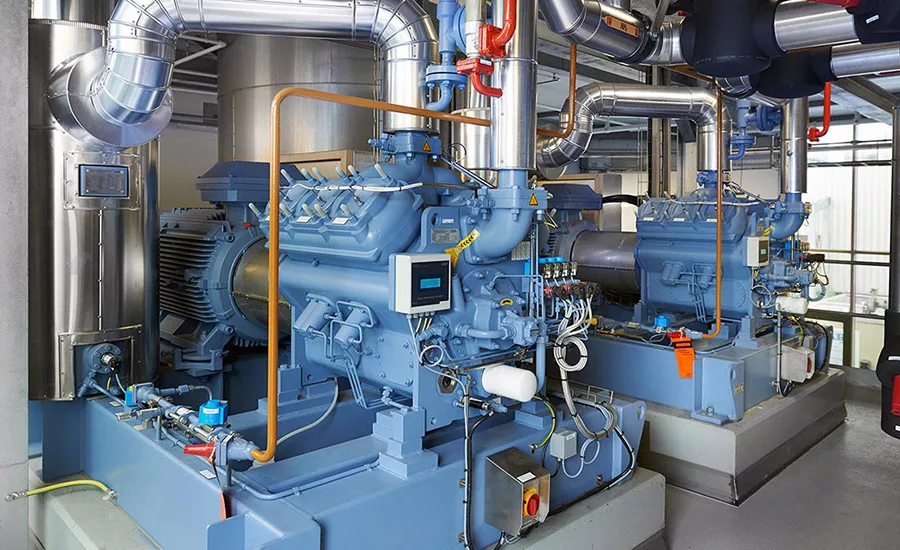
In a food production facility, keeping the environment at the right temperature is very important. Heat pump systems help control temperature efficiently, ensuring that food stays safe and machinery works properly. If a heat pump system breaks down or does not work well, it can cause delays, spoil food, and increase costs.
Regular maintenance keeps the system running smoothly, reduces energy bills, and extends the life of the equipment. This article shares five simple but effective tips for maintaining a heat pump system in a food production facility.
1. Regularly Clean and Inspect Filters
Filters in a heat pump system trap dust, dirt, and other particles that can reduce the system’s efficiency. When filters become dirty, the system has to work harder, which can increase energy use and cause wear and tear.
Inspecting and cleaning filters regularly ensures that air flows freely. In many facilities, filters should be checked every month and replaced if they are worn out. A clean filter also helps maintain good air quality, which is especially important in a food production environment.
2. Check Refrigerant Levels
The refrigerant in a food production facility heat pump system moves heat from one area to another. If the refrigerant level is too low, the system cannot heat or cool properly. Low refrigerant can also damage the compressor, which is an expensive part to replace.
Technicians should check refrigerant levels at least twice a year and refill it if needed. Monitoring leaks is equally important because refrigerant leaks not only reduce efficiency but can also harm the environment.
3. Inspect Electrical Components
Electrical parts control the operation of the heat pump system. Loose connections, frayed wires, or worn components can cause breakdowns or even dangerous situations. Regular inspections of electrical components prevent sudden failures.
Maintenance staff should tighten connections, replace worn wires, and ensure that controls are working correctly. By taking care of electrical parts, the system operates safely and reliably, which is crucial in a food production facility where downtime can affect the entire operation.
4. Maintain Coils and Heat Exchangers
Coils and heat exchangers transfer heat efficiently between the air and refrigerant. Over time, these components can become dirty or blocked, reducing performance. Cleaning the coils and checking the heat exchangers regularly keeps the system working at peak efficiency.
Technicians can use specialized tools or cleaning solutions to remove dust, grease, and other build-up. Proper maintenance of coils not only improves energy efficiency but also extends the life of the heat pump system.
5. Schedule Professional Maintenance
Even with daily care, heat pump systems need professional attention. Skilled technicians can perform thorough inspections, identify small issues before they become major problems, and ensure the system meets safety standards.
Scheduling professional maintenance at least once a year helps prevent unexpected breakdowns and keeps the system running at optimal performance. Professionals can also advise on system upgrades or improvements, helping the facility save money and energy in the long term.
Conclusion
Maintaining a heat pump system in a food production facility is essential for smooth operations, energy efficiency, and food safety. Regularly cleaning filters, checking refrigerant levels, inspecting electrical parts, maintaining coils, and scheduling professional maintenance all contribute to a reliable system.
By following these simple tips, facility managers can reduce costs, avoid downtime, and ensure a safe environment for food production. A well-maintained heat pump system benefits both the facility and the people who rely on it every day.


